


Investment Strategies
Chinese, US Consumers Critical To The Luxury Goods Sector In 2026 – Berenberg
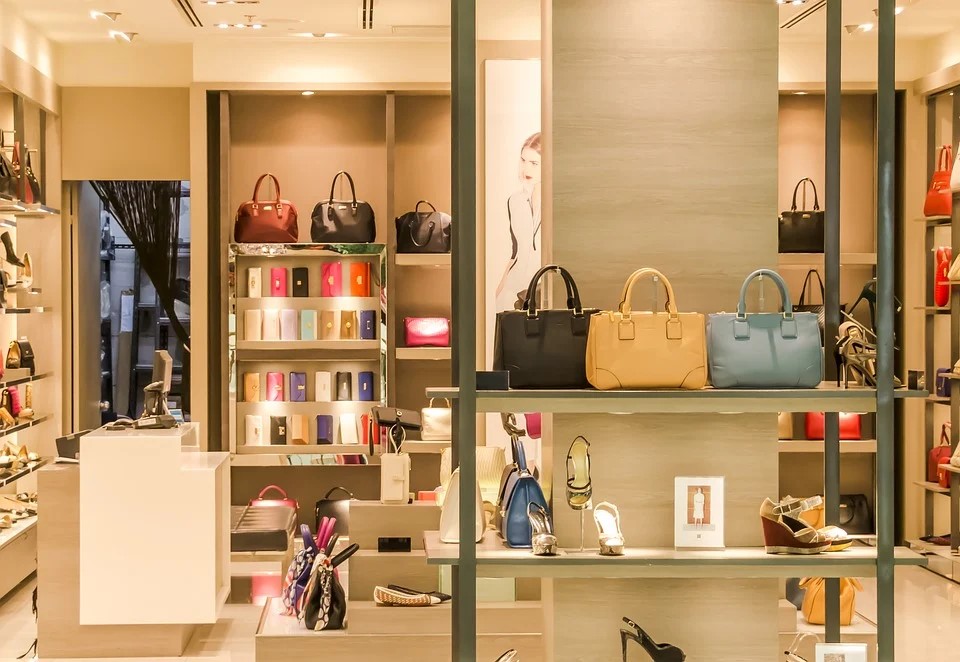
German-headquartered investment bank and boutique asset manager Berenberg has published its 2026 luxury sector outlook – “Luxury through the looking glass” – examining whether the industry’s present difficulties are cyclical and fixable, or structural and beyond managing. It also singled out its top stock picks.
Berenberg believes that the Chinese consumer holds the key to luxury goods – it is the critical sector theme for 2026 – while the strength of the luxury US consumer continues to surprise.
“The Chinese consumer accounted for 21 per cent of global luxury spend in 2024, down from a peak of 33 per cent in 2019, and it is expected to account for more than half of future growth over the next five years,” Berenberg said in a statement.
The bank predicts that the share of expected growth in personal luxury goods over the period 2023 to 2030 to reach 61 per cent for China, 10 per cent for America and 8 per cent for Europe.
However, China remains in the grip of a balance-sheet recession, where elevated debt levels, combined with a sustained fall in house prices, is leading households and corporates to prioritise saving over consumption. Discretionary, luxury spend remains especially vulnerable, in Berenberg’s view.
House prices have fallen month-on-month in 49 of the last 52 months, while recent macro data has been especially poor. The bank believes that many parallels exist between China and Japan: debt levels and house prices, demographics, consumer price deflation, and policy analysis/response. Policies to boost consumption could continue to disappoint as those announced to date (eg encouraging consumer finance) have ignored the secular/structural underlying drivers of China’s economic weakness. Key catalysts include monthly house price data and the details of the Chinese government’s new five-year plan, expected in March.
US, consumer of last resort, AI permitting
Berenberg emphasised that the strength of the luxury US
consumer is continuing to surprise and is its second luxury
theme for 2026.
“US consumers now dominate luxury spending globally, accounting for 30 per cent of global spend in 2024. Industry and consensus expectations for their contribution to growth through 2030, however, remain more modest,” the bank said. “The US economy remains bifurcated, the so-called K-shaped economy. Within luxury, a similar pattern holds: the wealth-driven absolute consumers, buoyed by stock market gains, continue to spend, while the more income-dependent aspirational consumers remain more subdued.” The bank believes that US equity markets, and artificial intelligence in particular, define the outlook for luxury spending by US consumers in 2026. The sustainability of US equity markets and, therefore, American’s wealth is key, the bank continued.
Creative directors
A wave of innovation from newly-appointed designers is expected
to re-engage consumers in 2026 and return the sector to growth.
Berenberg believes that the more important factor, however, is
the ability not the willingness of consumers to spend. “In 2026,
investors will be looking to see whether the luxury houses can
re-engage the consumer through renewed creativity and innovation,
as well as a rebalancing of the pricing architecture,” the bank
said
Trends
Absolute-dominant luxury brands continue to outperform
aspirational-dominant brands – as they have done since Covid-19.
Berenberg expects this trend to continue through 2026, with spend
by the former buoyed by equity market-driven wealth creation,
while spend by the latter remains weak given the squeeze on
disposable incomes globally.
By geography, all markets accelerated in the third quarter of 2025, helped by soft comparables, as well as self-help measures. The Americas, however, remain, in Berenberg’s view, the strongest market – as they have done since the fourth quarter of 2024 when spend rebounded following the US election. The bank expects the Americas, driven by US spend, to remain the strongest region in 2026. AI-driven wealth creation is the key risk and opportunity for US spend.
Strategy
Berenberg's sector strategy is still defensive. Its ratings
are unchanged with Brunello Cucinelli and Hermès being top picks
and buy-rated, while Kering and Swatch remain its least preferred
and sell-rated. It also likes the French luxury goods company
Louis Vuitton Moet Hennessy (LVMH), whose revenues improved in
the third quarter of 2025, with signs of a recovery in the demand
for luxury goods.
Others in the investment industry like the luxury story. For example, Christopher Rossbach, chief investment officer at J Stern & Co likes LVMH. Kevin Thozet, at Paris-based asset manager Carmignac invests in luxury goods company Hermès. Paris-based Edmond de Rothschild Asset Management also likes the sustainable finance model of Hermès. See more here.