


Technology
Deutsche Bank Uses AI For Source Of Wealth Reviews
This news service is hearing many reports of how A1 is affecting the wealth management industry. The latest case comes from Deutsche Bank's private banking arm.
This article continues WealthBriefing’s interview series ahead of its forthcoming AI in Wealth Management research report, produced in partnership with Arta Finance.
Deutsche Bank’s private bank is using agentic AI to help assemble source of wealth assessments, with employees retaining responsibility for validation, judgment and final approval.
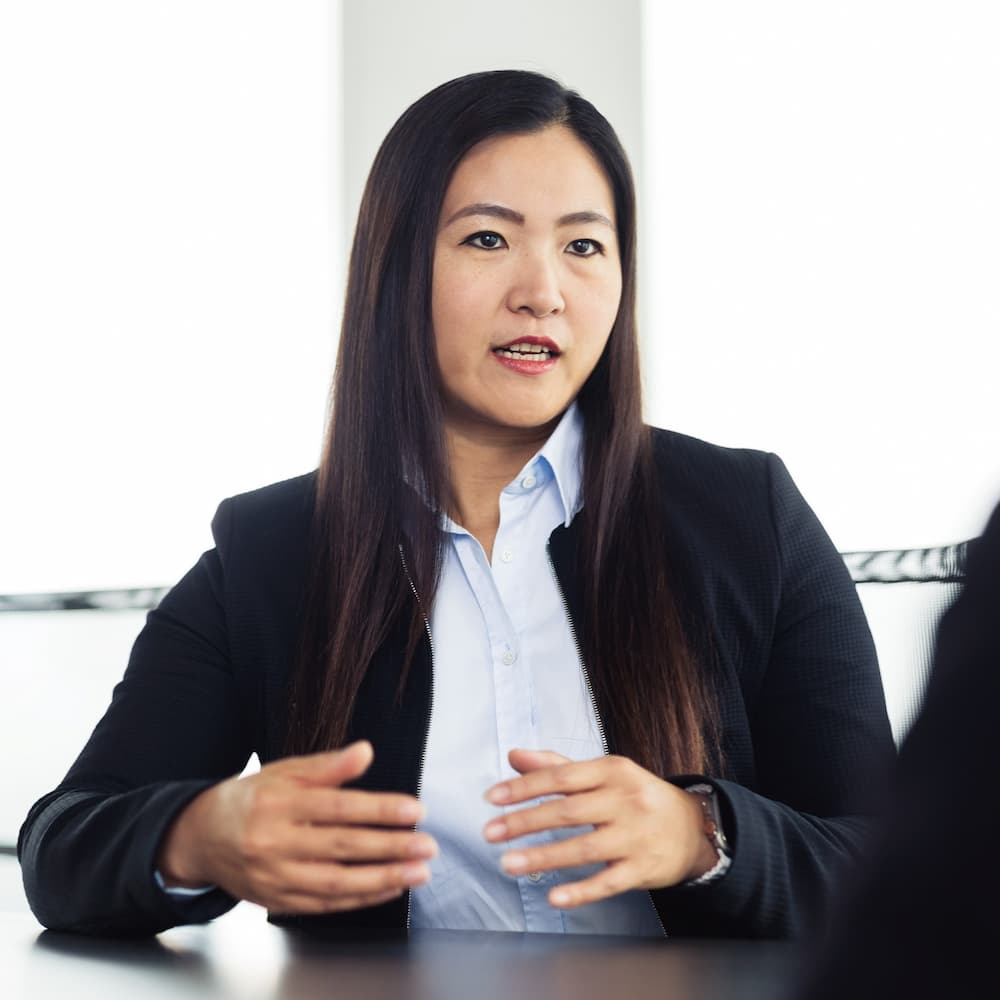
The application illustrates a broader shift described by Yiping Li (main picture), global chief operating officer of the private bank: moving from exploring individual opportunities towards a structured portfolio of AI use cases across the business.
“Our focus is no longer on AI as a standalone technology, but on how it can help us redesign client journeys, improve productivity and strengthen the quality and consistency of our processes,” Li told this publication.
Turning evidence into a reviewable
assessment
Within the bank’s KYC lifecycle platform, the Source of Wealth
solution extracts, classifies and structures information from
different sources. It corroborates and reconciles that material,
then prepares a narrative and memo for human assessment, the bank
said. The solution is live for selected income-related source of
wealth pillars in the Singapore and Hong Kong booking centres.
Work is under way to expand its scope and scale deployment
throughout European regions.
Li said the bank wants to improve the quality and consistency of KYC files while reducing handling times for KYC officers and relationship managers.
Controls and human judgment
The bank said its approach starts with employee accountability.
AI prepares material for review; specialists validate the
content, resolve flags and remain responsible for final approval
and case closure.
“Outputs need to be grounded in identifiable sources and presented in a way that allows the reviewer to understand and challenge the content and conclusion,” Li said.
In the Source of Wealth application, references to websites or documents and confidence levels on sources form part of the output. Confidence indicators direct attention towards areas needing closer examination.
Other controls include predefined preferred external sources, corroboration across sources and deterministic checks where appropriate. These measures work together to address plausible but incorrect outputs.
Scaling
The obstacles to wider deployment span data, processes,
engineering capacity and culture. Wealth management information
often sits across fragmented systems and documents, with
regulatory and banking secrecy requirements adding complexity.
Employees need training that helps them use tools and challenge their outputs. Li emphasised reusable AI capabilities and governance, rather than a separate technical solution for every application.
Future KYC opportunities include document gathering, identification and verification, and understanding complex legal ownership structures. The broader ambition is an operating model that combines technology, employees and controls to improve client service and execution.
Li said competitive advantage depends on combining AI’s scale and speed with the expertise clients expect, leaving advisors and specialists to evaluate context, exercise judgment and build relationships while remaining accountable.
The forthcoming WealthBriefing report, produced in partnership with Arta Finance, will explore how firms move from AI experimentation to achieving practical value, including the foundations required for scaling adoption.