


Surveys
Hong Kong Multimillionaire Population Rises To 412,000 – Citi
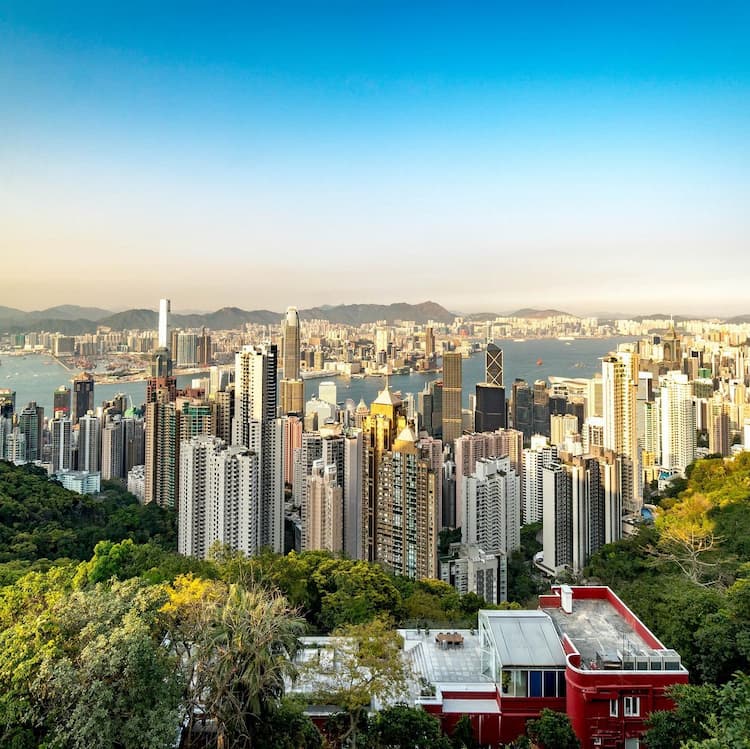
The annual survey by the bank found that diversified investors in Hong Kong reached HK$10 million in liquid assets seven years faster than deposit-focused ones. It also showed the extent to which these investors now use AI.
Hong Kong’s multimillionaire population rose to an estimated 412,000 in mid-2026, about 17,000 more than a year earlier, according to the Citi Hong Kong Affluent Study 2026.
The group now accounts for about 8 per cent of residents aged 21 to 79, or one in 13. The study defines a multimillionaire as someone with more than HK$10 million ($1.28 million) in net assets, including at least HK$1 million in liquid assets. Median net assets stood at about HK$20 million and median liquid assets at about HK$10 million.
This year’s rise is larger than was the case in 2025. The 2025 edition of the report put the population at 395,000, an increase of only 5,000 on 2024, or about 7 per cent of the same age group. Median net assets have slipped slightly from HK$20.5 million a year ago.
The study, now in its 22nd edition, sorted multimillionaires into three profiles: deposit-focused, stock-focused and diversified investors. Diversified investors took an average of 13 years to grow their liquid assets from HK$1 million to HK$10 million. Stock-focused investors took 16 years, and deposit-focused investors took 20.
The varying pace of gains underscores the value of holding risk assets and explains why investors who hold high levels of cash can, in certain cases, pay a price in forgone opportunities. This publication has explored issues about cash levels before, for example here and here.
Asset allocations
Overall, multimillionaires held 51 per cent of their wealth in
property and 49 per cent in liquid assets. Within liquid assets,
49 per cent was in investment products and the rest in cash and
deposits.
Again, the study looked separately at “Emerging Centimillionaires,” a tier with median liquid assets of HK$50 million. This group held the most diversified portfolios, with higher allocations to funds, bonds, structured products and alternatives than other affluent segments. About half owned a second property.
Artificial intelligence
Some 86 per cent of multimillionaires had used AI tools. The
wealthier tiers were more likely to use AI to explore ideas and
spot opportunities. Those with median liquid assets of around
HK$6.5 million mainly used it to stay competitive at work. While
63 per cent trusted AI to provide financial information and
analysis, only 7 per cent would rely on it entirely for
investment decisions.
“Affluent individuals are embracing AI more readily, leveraging it to broaden their perspectives and access more wealth insights,” Angela Shing, head of wealth continuum and productivity at Citibank Hong Kong, said. “That said, they do not lean on technology alone. They still value experienced advisory teams with sound judgment.”
The findings come as Hong Kong’s private wealth sector is expanding rapidly. Assets under management at private banks and wealth managers in the city rose 24 per cent to a record HK$12.9 trillion (about $1.65 trillion) in 2025, with net fund inflows up 79 per cent, according to the Private Wealth Management Association and KPMG (see here). Boston Consulting Group’s Global Wealth Report 2026 found that Hong Kong had overtaken Switzerland as the world’s largest cross-border booking centre, with $2.95 trillion against $2.94 trillion at the end of 2025.